Essential Tools for Training Your Puppy: Comprehensive Guide
Adopting a new puppy is one of the most exciting experiences for any family. Indeed, puppies are cute, playful, and energetic—but they don’t automatically know right from wrong. For this reason, raising a canine companion requires time, patience, and proper education.
This is where puppy training tools become incredibly useful. Using the right training aids makes education easier, faster, and much less stressful. Most importantly, training must never be associated with punishment. Instead, it should be a positive experience that helps your puppy learn how to behave correctly.
Importance of Puppy Training Tools
Imagine trying to learn a brand-new skill without any of the appropriate equipment. It would be incredibly frustrating, right? The same logic applies to your pup. Proper tools are essential for clearly communicating your expectations to your dog.
These training aids help you:
-
Teach basic commands effectively
-
Build positive, lifelong habits
-
Ensure your puppy’s safety
-
Make training sessions interesting and fun
-
Improve overall communication and bonding
Furthermore, structured education contributes heavily to your puppy’s confidence. Generally, well-educated puppies grow into confident, obedient, and well-adjusted dogs.
Must-Have Training Aids
You don’t need an overwhelming vault of gadgets to start training your puppy. A few foundational items are more than enough to get you started:
1. Comfortable Collar
A collar is one of the very first things your puppy needs to get used to wearing. It should be soft, lightweight, and perfectly fitted—meaning it shouldn’t be so tight that it hurts, nor so loose that they can slip out of it.
2. Strong Leash
A leash is a non-negotiable tool for safety and control. It helps you manage your puppy during walks and teaches them to walk politely by your side. A standard 4 to 6-foot leash is ideal for the beginning stages; avoid long, retractable leashes early on as they make control much more difficult.
3. Clicker
A clicker is a small device that makes a distinct clicking sound. By pressing the button the exact moment your puppy performs a desired behavior and immediately following it with a treat, your puppy quickly learns that the “click” means success. This technique dramatically speeds up the learning process.
4. Training Treats
Positive reinforcement relies heavily on rewards. Small, healthy, high-value treats encourage your puppy to follow commands. Be sure to deliver the treat immediately after the good behavior, and keep the portions tiny to prevent overeating.
5. Puppy Pads
During house training, accidents are bound to happen. Puppy pads help teach your puppy exactly where it is acceptable to eliminate. By placing the pads in the exact same spot every day, your puppy will eventually understand the routine.
6. Treat Pouch
A treat pouch keeps your rewards handy at a second’s notice. Immediate reinforcement is crucial for puppies to connect their action with the reward, and a wearable pouch ensures you are always prepared.
7. Interactive Toys
Puppies get bored easily, which often leads to destructive behaviors like chewing on furniture or shoes. Interactive toys—such as puzzles, durable chew toys, and ball toys—provide vital mental stimulation to keep their minds constructively occupied.
Note: Mental exercise is just as exhausting and important for a growing puppy as physical exercise!
Choosing the Right Aids for Your Puppy
There is no single “one-size-fits-all” approach to selecting puppy gear. Every dog is an individual. When shopping for tools, always consider your puppy’s:
-
Age
-
Size
-
Breed
-
Energy level
Avoid any tool that seems uncomfortable or causes distress. Puppies should never feel frightened during the training process. In most cases, the simplest and safest aids are your best choice. If you are ever unsure, don’t hesitate to consult your veterinarian or a certified positive-reinforcement dog trainer.
What to Avoid
While the pet market is filled with a variety of products, you should strictly avoid the following items for young puppies:
-
Tight or restrictive collars
-
Heavy, cumbersome equipment
-
Harsh training aids (such as prong, choke, or shock collars)
-
Any tools designed to scare, intimidate, or hurt the puppy
A positive, rewards-based approach to education is scientifically proven to work best. Puppies learn fastest and retain information better when they feel safe.
Starting Your Training with the Right Aids
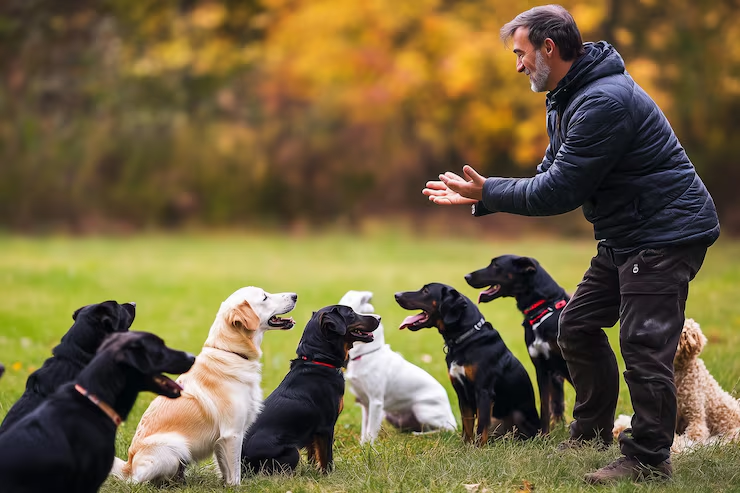
You don’t need to teach your puppy everything in a single day. Learning happens gradually. Start with short, upbeat training sessions—10 to 15 minutes is more than enough for a young puppy’s short attention span.
Here are three foundational commands to start with:
-
Sit: Raise a treat slowly over your puppy’s head. As their eyes follow the treat, their bottom will naturally lower to the floor. The moment they sit, click and reward immediately.
-
Stay: Ask your puppy to sit, wait just a couple of seconds while remaining still, and then reward them for staying put. Gradually increase the duration.
-
Come: Move a short distance away, call your puppy’s name in a cheerful, enthusiastic voice, and reward them generously the moment they reach you.
Always practice patience. Every puppy learns at their own unique pace; some will catch on instantly, while others need a bit more repetition. This is completely normal!
Helpful Tips for Effective Puppy Training
To ensure your training journey is a success, keep these core rules in mind:
-
Be patient every single day.
-
Use positive cues and an encouraging tone of voice.
-
Reward the good behavior rather than just punishing the bad.
-
Keep sessions short to prevent mental fatigue.
-
Practice daily to build consistency.
-
Be consistent with your rules and boundaries.
Most importantly, remember to enjoy these moments! Your puppy is discovering a massive world for the very first time, and it’s your job to make that discovery safe and pleasant.
Final Thoughts
Training a puppy can feel like an overwhelming task at first, but having the right tools on hand makes a world of difference. You don’t need fancy, expensive gadgets or complicated, rigid methods. Simple tools, an abundance of patience, and genuine kindness are all it takes. Remember: your puppy isn’t being “naughty”—they are simply trying to learn how to live in a human world.