Recognizing and Preventing Common Dog Health Issues
Dogs quickly join our family. They welcome us at the door, cheer us up, and stay close by whenever we need companionship. Since dogs cannot let us know when they are ill, it is our duty to pay attention to their health.
Many health problems start with small symptoms that are easy to overlook. The great news is that being familiar with common dog health issues may help you recognize them early and act before the situation gets worse. You do not have to be a veterinarian to look after your dog’s well-being—some simple daily habits will make the biggest difference.
Common Dog Health Issues to Watch For
Although dogs cannot talk to us about their health, their bodies give hints. Behavioral changes are usually the first sign that something is wrong.
Ear Infections
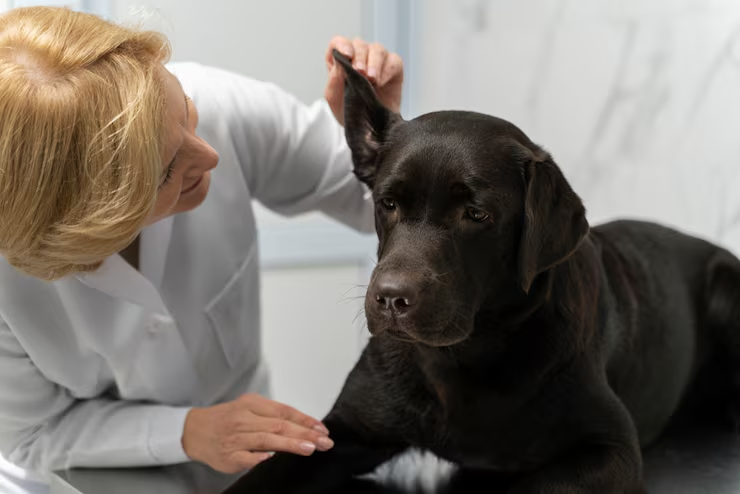
Ear infections are extremely frequent, particularly among dogs with floppy ears. Regular cleaning of your dog’s ears may lower the risk of infections.
-
Signs to look for: Persistent scratching, head shaking, redness inside the ears, a bad odor, or yellow/brown discharge.
Dental Issues
Many people do not think about their dog’s oral hygiene, but neglecting it leads to severe pain and infections. You can drastically reduce these problems by brushing your dog’s teeth.
-
Signs to look for: Bad breath, trouble eating, bleeding gums, loose teeth, or increased drooling.
Obesity
Being overweight causes numerous long-term health problems. An obese dog faces a higher risk of joint pain, diabetes, heart disease, and breathing difficulties.
-
Signs to look for: Lack of energy, difficulty running, difficulty climbing stairs, and a visibly round body shape.
Skin Allergies
Just like people, dogs can suffer from allergies triggered by food, pollen, dust, or fleas. If symptoms persist, consult your veterinarian.
-
Signs to look for: Itchy skin, red spots, hair loss, and constant licking.
Stomach Problems
Digestive disorders often appear due to an inappropriate diet. Sometimes these symptoms pass quickly, while in other cases, they require immediate medical intervention.
-
Signs to look for: Vomiting, diarrhea, loss of appetite, and lethargy.
Joint Problems
Older dogs frequently suffer from joint pain, though large breeds can develop it at an earlier age. Early treatment can keep your dog mobile and comfortable.
-
Signs to look for: Limping, slow movement, difficulty getting up, and avoiding stairs.
Preventive Measures for Long-Term Health
Prevention is always better than cure. Little daily actions will ensure your dog lives a healthier, happier life for many years to come.
1. Feeding a Balanced Diet
Nutrition is the basis of a healthy lifestyle. Choose dog food that contains a proper balance of proteins, healthy fats, vitamins, minerals, and fibers. Avoid giving too many leftovers from your own meals.
Toxic Foods Warning: Never give your dog chocolate, grapes, onions, garlic, or any food containing xylitol (an artificial sweetener), as these are highly poisonous to canines. Always ensure fresh water is available.
2. Daily Exercise
Dogs need physical activity to stay at a healthy weight, develop muscles, maintain heart health, and get rid of boredom. Walking, playing fetch, running, and swimming are excellent choices. Aim for at least 30 minutes of exercise per day, keeping in mind that some high-energy breeds require much more.
3. Consistent Grooming
Grooming is not just about your dog’s appearance—it is the perfect moment to check for hidden lumps, rashes, or skin issues. Make these main actions part of your routine:
-
Brushing the coat
-
Cleaning the ears
-
Trimming the nails
-
Brushing the teeth
4. Parasite Protection & Vaccinations
Flea and tick infestations can make your dog incredibly uncomfortable and transmit dangerous diseases. Use veterinarian-approved preventative products regularly. Additionally, always follow the vaccination schedule prescribed by your vet to build up your dog’s immune system.
When to Consult a Veterinarian
It can sometimes be difficult to understand when you need to contact a professional. If you have any doubts, listen to your intuition. Prompt treatment usually leads to much better outcomes.
| Call Your Vet Immediately If You Notice: |
| No appetite for more than one day |
| Multiple or persistent vomiting |
| Diarrhea that does not stop |
| Trouble breathing or heavy wheezing |
| Unexpected, rapid weight gain or loss |
| Extreme lethargy or sudden unusual behavior |
Essential Resources for Dog Health Care
You do not have to learn everything by yourself. There are plenty of reliable tools and resources available to help you stay organized:
-
Your Veterinarian: They should always be your primary source of advice since they know your dog’s specific medical history.
-
Trusted Pet Organizations: Lean on educational, non-profit websites focused entirely on animal care. Always verify information before trying home remedies.
-
Pet Health Apps: Use mobile applications to track vaccination dates, weight changes, medications, and upcoming vet visits.
-
Pet Insurance: Unexpected medical expenses happen. Study and compare different insurance plans early on to relieve future financial stress.
Healthy Habits Checklist for Dog Owners
Try to practice these habits consistently to keep your dog in peak health:
-
[ ] Fresh water is always available
-
[ ] Balanced, healthy meals served daily
-
[ ] At least 30 minutes of daily exercise
-
[ ] Regular grooming sessions (coat, ears, nails)
-
[ ] Routine teeth brushing
-
[ ] Monthly parasite prevention treatments
-
[ ] Annual diagnostic visits to the veterinarian
-
[ ] LOTS OF LOVE AND ATTENTION!
Final Thoughts
Knowing common dog health problems helps you become a confident, proactive dog owner. You do not need to know every single medical detail all at once. The most important thing is simply paying attention to your dog’s regular routine. Minor behavioral changes are often the earliest warning signs. With appropriate care, regular checkups, and healthy daily habits, you can help your fluffy friend live a long, active, and beautiful life.
Now that both of your blog posts are beautifully formatted, what is your main goal for them—are you setting up a new pet care blog, or are you pulling this content together to create an informative guide or ebook for new dog owners?