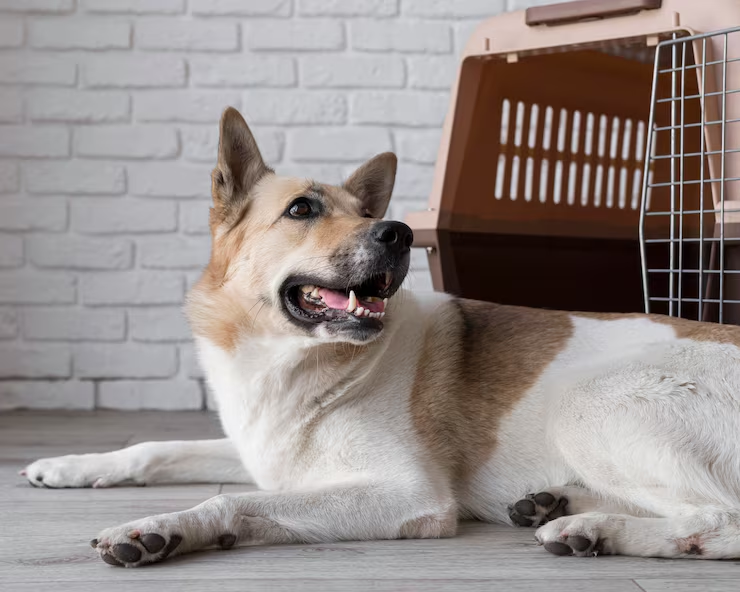
One of the most important things that you could ever teach your dog is being comfortable with staying inside a crate. No matter whether it is a young puppy or an adult dog who has recently been adopted by you, learning how to live inside a crate will be a good way for your pet to get its own private and secure place.
The Benefits of Crate Training a Dog
While some people think that crate training your dog can be cruel, it is quite the contrary if done right. A crate becomes your dog’s personal den – a place where he chooses to retreat on his own accord. Benefits of crate training your dog include:
- Increased speed and ease of potty training
- Safe place when traveling or visiting the vet
- Less anxiety when alone, especially for many dogs
- Prevention of chewing on household objects when you leave your dog unattended
Steps Involved in Crate Training Your Dog
Successful crate training a dog is typically done in stages:
- Introduce the crate gradually and give your dog time to explore it on his own
- Make the crate appealing. Add a nice bed, a favorite toy, and even an old t-shirt that smells like you
- Eat near and eventually inside the crate
- Spend some time in the crate with the door closed, just for a couple of minutes at first
- Gradually increase time and distance
- Do not use the crate as punishment, as this single step destroys all your work with the crate
How Long Does It Take to Crate Train Your Dog?
It depends on each dog individually, but typically most puppies adapt to being in the crate during a couple of weeks after proper practice. Some older dogs may need slightly more time – especially if he did not have any experience with the crate before.
Signs That Crate Training Your Dog Went Good
- The dog goes inside the crate by himself when the door is opened
- His calmness when spending time in the crate
- The ability to sleep or simply relax in the crate
- The lack of any stress reactions when staying inside the crate with the door closed for a couple of minutes
Mistakes to Be Avoided During Crate Training a Dog
- Trying to force the dog to go inside the crate instead of luring him there with treats
- Leaving your dog in the crate for too long
- Closing the door when he was not ready to be inside yet
- Unpredictable use of the crate that makes your dog confuse its purpose
Conclusion on Crate Training a Dog
Crate training a dog is not easy at first, but this will allow your dog to become much calmer, safer, and more confident later on. Take time to do it properly – it is better to go slow and have a relaxed dog rather than to rush and make your dog stressed. More tips on crate training can be found in ASPCA’s crate training guide.
In case your dog demonstrates some very bad behavior during crate training (like panicking or attempting to hurt himself), please contact a certified trainer or a veterinary behaviorist.