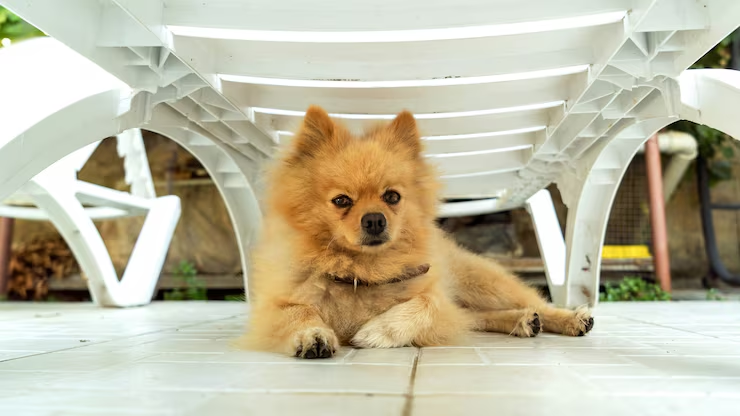
Are you looking for an attractive dog that has double coats? If yes, then the breed of Pomeranian dog will suit you well. They come under the toy dogs breed due to their playful and attractive nature. Continue reading to get all the information about this dog breed in just one post.
Origin
From its name itself, it is evident that the place from where the Pomeranian dog came into being is nothing else but Pomerania, which belongs to the Arctic region of both Germany and Poland presently. The Pomeranians were developed from large sled dogs many centuries ago.
Physical Traits
- Height: 8-11 inches (20-28 cm)
- Weight: 1.9-3.5 kg
- Color: Orange, red, cream, black, blue, brown, white, parti-colors
- Coat: Thick double coat
Life Expectancy
Poms have an average life expectancy of 12-16 years which makes them one of the longest-lived small dog breeds provided that they are taken care of properly.
Nature & Temperament
Poms are lively, alert and despite being such a small dog, they have a bold nature. They are affectionate and form a strong bond with their families and a single family member. They are alert, active and like to bark when greeting people – making them good watchdogs.
Living Environment
These dogs adapt very easily to various environments and are particularly well-suited to living in Indian cities in apartments because they do not require much room for their own happiness.
Food and Diet
These dogs are best fed with small-breed dog food. They should be split into 2-3 small meals per day. Since they suffer from tooth problems, it is recommended to feed your Pomeranian dog breed dry food along with dental chews.
Grooming Needs
Due to a thick double coat, they require regular brushings 3-4 times per week, and additional care is required during periods of seasonal shedding.
Conclusion
The Pomeranian dog breed is a perfect example of big personality in a small body that will easily fit into your Indian apartment. Provided with appropriate grooming care, balanced diet and veterinary care, this dog will live long and be loyal to you. For further information on how to bring up your puppy, check out our puppy training guide.
Always consult a veterinarian regarding breed specific vaccination and dietary needs.