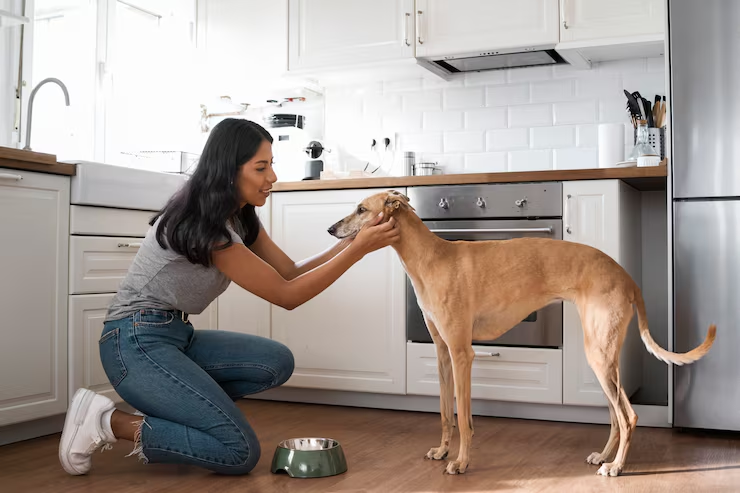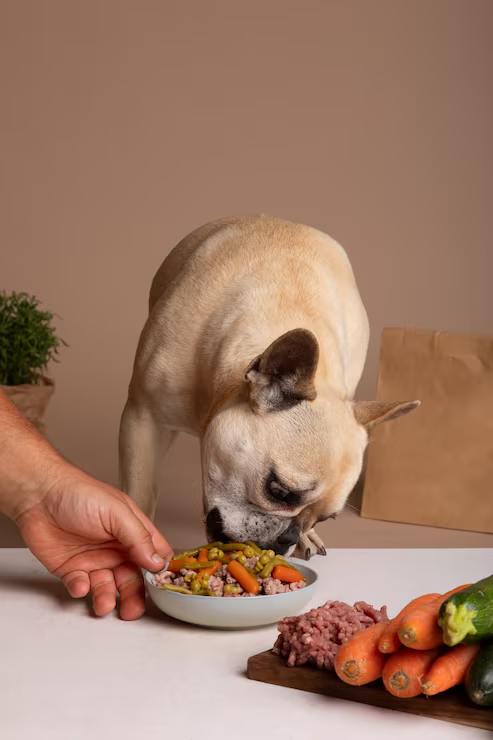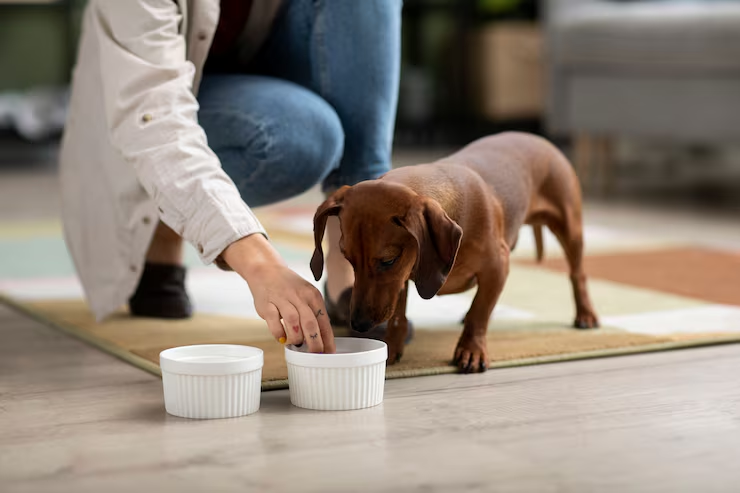
One of the frequently asked questions about dog feeding chart by age concerns how to properly feed a dog. An accurate dog feeding chart by age will help you prevent such problems as overfeeding that results in obesity and underfeeding that has an effect on growth and behavior of the animal.
Why Dog Feeding Chart By Age Is Important
The dog that is in the process of growing up has other needs than the senior dog regarding nutrition. With the help of dog feeding chart by age you will make sure your pet is getting enough food to stay healthy at every stage of his life.
Puppy Dog Feeding Guidelines (Until 12 Months)
- 2-3 months: 4 portions of food per day
- 4-6 months: 3 portions per day
- Between 6-12 months old: 2-3 meals daily according to the breed size and growth rate
Puppy dogs require more energy per kilogram body weight due to the growth process. Large breeds should be provided with special large breeds’ food for the healthy development of joints.
Feeding Schedule for Adult Dogs (1-7 years old)
Adult dogs usually have the habit of eating two meals a day with 8 to 12 hours between each meal. The number of food they should eat will vary depending on:
- Weight: bigger dogs need more calories in general but less per kg of weight compared to the small breeds;
- Activity level: active or working dogs need more calories;
- Breed: certain dog breeds have low metabolism and need strict portion control.
As the rule, an adult dog requires 25-30 calories per kilogram of body weight per day.
Feeding Senior Dogs (7+ Years)
Senior dogs have fewer caloric requirements, but their need for good quality protein is much higher to ensure proper muscle mass preservation. Glucosamine becomes highly important in order to maintain healthy joints.
How To Understand That the Food Portions Are Proper?
- Body condition: you need to be able to feel your dog’s ribs without having too many fat layer on it
- Energy level: energetic state of the dog without being overly active or lethargic
- Dog’s stool quality: usually well-formed stool is the sign of appropriate amount of food and good digestion.
Common Mistakes in the Dog’s Feeding
- Proper portions are not adjusted while growing up;
- Free feeding (leaving food always available) without controlling portions;
- Failure to adjust portions to the changing activity level;
- Not considering treats while calculating portions;
Conclusion
Following dog feeding chart by age and performing body condition checks will help you determine the right portion size for your dog at any age. Every dog is an individual and adjusting his diet according to his needs is also important besides following guidelines. Read our dog’s training tips in puppy training guide.
Discuss your dog’s diet with your vet to determine the portion sizes taking into consideration the breed and dog’s weight and health condition.