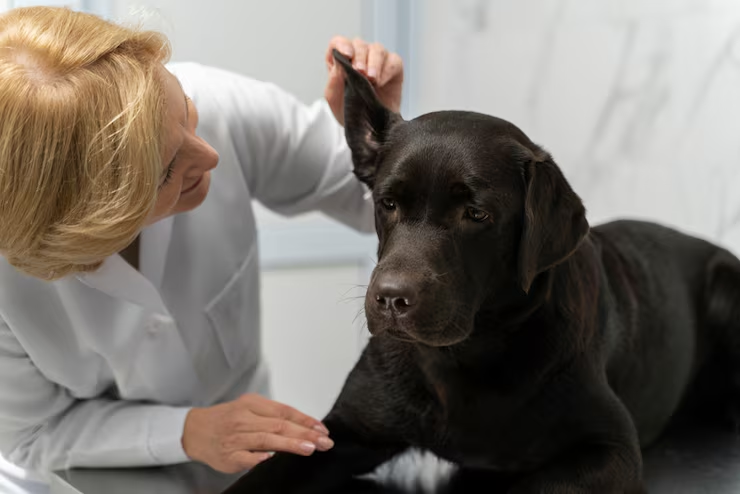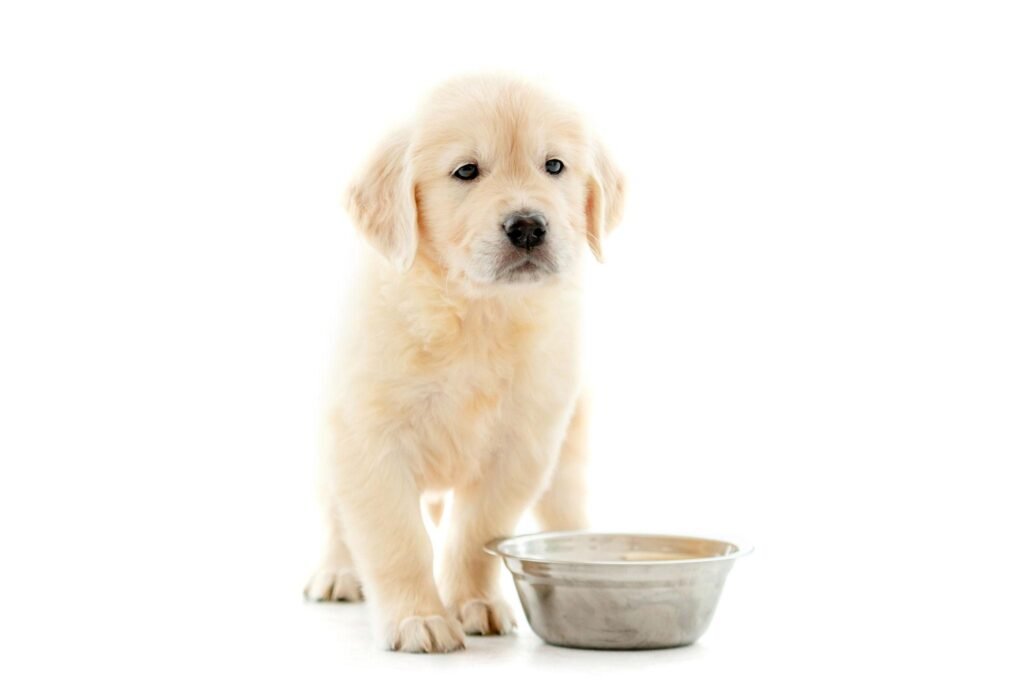
Watching a puppy sniff their bowl, walk away, and leave a full meal untouched is one of the most unsettling things about early pet parenthood. The good news: in most cases, a puppy not eating food is caused by something temporary and fixable — not a crisis. The tricky part is knowing which situation is “give it a day” and which one is “call the vet tonight.”
This guide breaks down the real reasons puppies stop eating, safe ways to get their appetite back, and the exact point where you should stop waiting and pick up the phone.
Quick Answer: Is This an Emergency?
Puppies have far less body fat and blood sugar reserve than adult dogs, so they can’t safely go as long without food. Use this as your baseline — not a replacement for a vet’s judgment, but a useful trigger point.
| Situation | Contact your vet |
|---|---|
| Toy or small-breed puppy (Chihuahua, Pomeranian, Shih Tzu, etc.) | After 12 hours without eating |
| Any puppy, otherwise acting normal | After 24 hours without eating |
| Any puppy, absolute outer limit | 48 hours — do not wait longer |
| Any puppy + vomiting, diarrhea, lethargy, or pale gums | Immediately, regardless of how long it’s been |
| Unvaccinated puppy + loss of appetite + vomiting/diarrhea | Emergency vet now — rule out parvovirus |
If your puppy falls into that last row, skip the home remedies further down this page and get to a vet directly. For everything milder, read on.
9 Common Reasons Your Puppy Isn’t Eating
1. Teething
Between about 8 weeks and 6 months, puppies lose baby teeth and grow adult ones. Sore gums can make chewing dry kibble genuinely uncomfortable, which is one of the most common causes of a temporary dip in appetite.
2. Stress or a change in environment
New home, a recent move, loud festival noises, a new pet or family member, or even rearranging the feeding spot can throw a puppy off eating. This is especially common in the first week after adoption — our guide on settling a newly adopted puppy covers how to ease that transition.
3. Recent vaccination or deworming
A puppy not eating after vaccination is common and usually resolves within 24–48 hours. Mild soreness, low-grade fever, or a groggy feeling can dull appetite short-term. If it stretches past 2 days, or your pup seems more than just “a bit off,” check in with your vet.
4. Sudden food switch
Puppies are sensitive to abrupt diet changes. Switching brands overnight, or serving food that’s gone stale, cold, or sat out too long, is often enough to make a puppy refuse a bowl they’d normally finish.
5. Overfeeding treats or free-feeding
If treats, table scraps, or an always-full bowl are available all day, a puppy may simply not be hungry at mealtime. This is one of the easiest causes to rule out.
6. Overheating
Indian summers are genuinely hard on puppies — heat can suppress appetite the same way it does in people. If this feels familiar, our guide to keeping pets cool during Indian summers has practical, season-specific fixes.
7. Intestinal parasites
Worms are common in puppies, especially in India, and can cause a dull appetite, a pot-bellied look, or visible worms in stool. Routine deworming on schedule matters here — see our common dog health conditions guide for symptoms to watch.
8. Underlying illness
Infections, dental pain, an upset stomach, or — most seriously in unvaccinated puppies — parvovirus, can all present as sudden appetite loss, often alongside vomiting or diarrhea. This is the category where “wait and see” is the wrong call. Our vet-reviewed dog health guide goes deeper into warning signs by symptom.
9. Picky or fussy eating
Some puppies genuinely just prefer certain textures or flavors, or have learned that holding out gets them something tastier. This is worth addressing early — before it becomes a long-term habit — with consistent routine (more on that below).
Puppy Not Eating But Drinking Water — Does That Change Anything?
This is one of the most searched versions of this problem, and it’s a genuinely useful distinction. A puppy that’s still drinking normally is less likely to be facing an acute emergency than one that’s refusing water too. But “less urgent” doesn’t mean “ignore it” — the 12/24/48-hour rule above still applies, since prolonged appetite loss on its own can still point to nausea, pain, parasites, or organ-related issues that need a vet’s input.
How to Encourage Your Puppy to Eat Again
Once you’ve ruled out the emergency red flags above, these steps help with most everyday cases of a puppy refusing food:
- Warm the food slightly. This releases more aroma and often makes kibble or wet food more appealing.
- Add a topper. A spoonful of plain boiled chicken, unsalted bone broth, or a small amount of pumpkin puree can make a familiar bowl more tempting.
- Switch texture temporarily. If dry kibble is being refused, try soaking it or moving to wet food for a few days while things settle.
- Set a fixed feeding schedule. Offer food for 15–20 minutes, then remove it — don’t leave it out all day. This rebuilds a hunger rhythm.
- Cut back on treats and scraps. Give mealtime a real chance to matter again.
- Feed somewhere calm and consistent. Away from loud noise, other pets, or a high-traffic doorway.
For a full breakdown of portions, meal timing, and what’s actually safe to mix in, see our feeding and nutrition guides, and our page on what puppies can and can’t eat before offering any human food as an appetite booster.
What Not to Do
- Don’t force-feed or syringe-feed without vet guidance — it can cause stress or aspiration.
- Don’t switch foods repeatedly in a short window; it often makes things worse, not better.
- Don’t rely on treats as a substitute meal for more than a day or two.
- Don’t wait past 48 hours “to see if it resolves” — by then, a vet visit is warranted regardless of other symptoms.
A steady daily routine also helps prevent appetite dips from becoming a pattern — our puppy training and routine-building guide and puppy behavior and body language guide are good next reads if fussy eating seems tied to stress or habit rather than health.
FAQs
Is it normal for puppies to skip one meal? Occasionally, yes — especially around teething, a food switch, or a stressful day. One skipped meal with normal energy and water intake usually isn’t cause for alarm.
Can teething really stop a puppy from eating? Yes. Sore gums during the teething window (roughly 8 weeks to 6 months) can make chewing kibble uncomfortable enough to reduce appetite for a day or two.
My puppy ate fine yesterday but refuses today — could it be the vaccine? Possibly. A short dip in appetite for 24–48 hours after a vaccination or deworming dose is common. If it continues longer, or your puppy seems unusually lethargic, call your vet.
How long can a puppy safely go without eating in hot weather? The same 12/24/48-hour thresholds apply, but heat adds risk of dehydration on top of appetite loss — so keep a closer eye on water intake during summer months.
When should I stop trying home remedies and just go to the vet? As soon as vomiting, diarrhea, lethargy, or refusal of water joins the picture — or once you hit the 24–48 hour mark without those symptoms. Don’t wait for things to look worse.
The Bottom Line
Most of the time, a puppy not eating food comes down to something manageable — teething, stress, a food switch, or simple pickiness. But because puppies have so little reserve to draw on, the safety window for “wait and see” is short. Use the hour-based guide above, keep an eye out for the red-flag symptoms, and when in doubt, a quick call to your vet is always the safer choice.
For more on keeping your puppy healthy day to day, explore the DailyPaws blog or head back to our complete puppy care hub.
This article is for general information and isn’t a substitute for an in-person veterinary exam. If your puppy shows any emergency signs above, contact a vet immediately.