“My dog has a bad breath” – the phrase that almost every dog owner says at least once and usually accompanied by laughter. However, the truth is that one of the most widespread problems in dogs is dental diseases. Thus, the “doggy breath” can warn about some severe health problems of your pet.
It is important to discuss the importance of protecting the dental health of your dog and several simple ways to do it.
Why Dental Disease Is More Serious Than It May Seem
While being localized in the oral cavity, the disease may affect all the organs. The bacteria in the infected gums get into the blood and affect the function of the heart, kidneys, and liver over time. Thus, untreated periodontal disease may cause tooth loss, formation of an abscess, and constant pain that will not be shown by the animal. In addition, the dog’s immune system is very weak and the dog will hardly experience pain even if there are some serious problems in the mouth.
The Signs of Dental Problems in Dogs
- Persistent bad breath (not typical “doggy breath”)
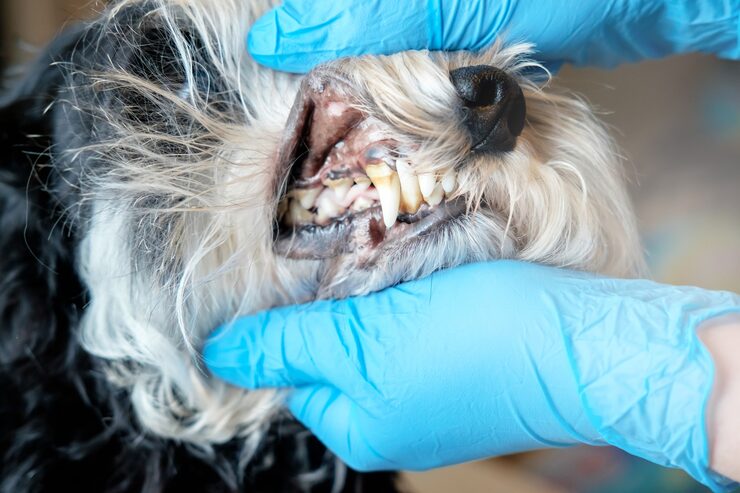
- Yellow or brown tartar on the teeth
- Redness, swelling, or bleeding of gums
- Problems in chewing or dropping the food
- Scratching or pawing the face or mouth
- Loose or missing teeth
- Decrease in appetite or reluctance to consume hard food
The Reasons of Dental Disease
Plaque and tartar formation because of the food particles and bacteria
Regular brushing and taking care of the teeth are missed
Genetics and breed (smaller breeds suffer from dental diseases because of the crowded teeth)
Old age (the problem becomes more frequent as the dog grows older)
Unhealthy diet (feeding the dog only with soft food does not help in removing the plaque)
Simple Measures to Protect the Teeth of Your Pet
Use the dog-safe toothpaste to brush your pet’s teeth several times per week.
Provide the pet with the dental chews or specific toys that decrease the amount of plaque.
Feed the dog with healthy food and consult your veterinarian concerning the special products that reduce plaque buildup.
Visit the veterinary doctor regularly because he or she can reveal the disease in the early stages when it is possible to treat it without pain for the dog.
Do professional dental cleanings when necessary (it helps to remove the tartar that cannot be removed with a toothbrush).
When Should You See a Veterinarian?
In case your pet suffers from any of the following signs: bleeding gums, loose teeth, reduced appetite, or pain during eating, you should see a veterinarian as these signs are clear evidence of a developing illness that needs more medical intervention such as teeth cleaning under general anesthesia or tooth removal.
Conclusion
The problem of the dental health is easy to neglect because it develops gradually and your dog does not complain. However, a few minutes per week dedicated to the brushing of the teeth together with regular visits to the veterinarian can prevent many health problems of your pet.