If your dog is experiencing symptoms such as constant shaking of the head, scratching the ear until you fear that they will damage themselves, then you should know how unpleasant it is for a dog to have an ear infection. Indeed, an ear infection in dogs is one of the most frequent reasons why dog owners find themselves googling symptoms at 11 PM.
The good news – ear infections in dogs are extremely common, quite treatable and if you learn what causes them, then you would be able to spot this condition at an early stage when your dog doesn’t suffer much.
Now, let’s dig deeper into the subject and cover all the important details in simple language.
Why Is It So Easy for Dogs to Have Ear Infections?
The ear canal in dogs has an unusual structure – it looks like an “L”. While it helps to listen better, it also makes difficult for the moisture to get outside. Add to this the fact that the ears of many dogs are flopping, and you will understand why dogs have ear infections so often. But here are the most frequent causes of this issue:
Moisture inside the ear after bath, swimming, and rainy walks.
Allergies (food or environmental) – it is one of the most frequent reasons for this issue but few people suspect this fact.
Wax buildup in ears which becomes a place for dirt and bacteria.
Ear mites – this is one of the most frequent problems in puppies and other dogs which spend time in company of other animals.
Foreign bodies such as grass seeds and other debris in the ear.
Certain breeds of dogs which are prone to such problems.
The main symptoms of an ear infection
Everyone knows the normal behavior of his dog better than anyone, and it is always possible to spot the problems when they appear. Here are some main symptoms of an ear infection in dogs:
- Constant head shaking and even head tilting.
- Scratching and rubbing ears against different surfaces.
- Bad odor.
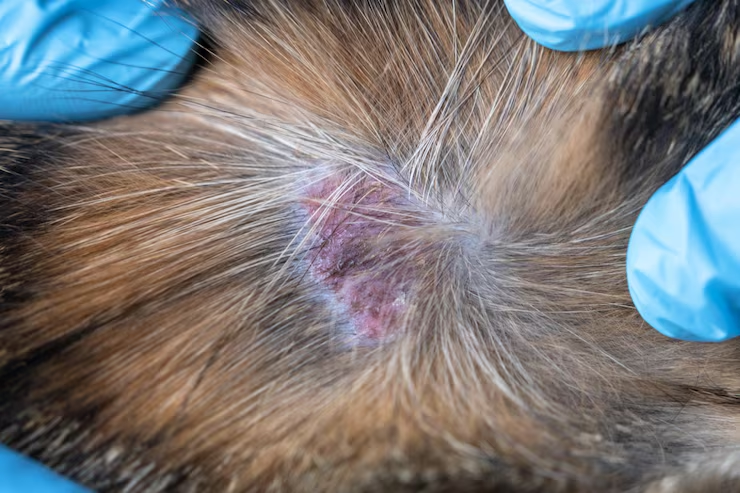
- Swelling and redness inside the ear flap.
- Dark, waxy or yellow discharge.
- Painful reactions when touching the ears.
- Loss of balance in case of severe infection.
If you noticed more than one or two of the listed symptoms, then it is necessary to make sure whether there is a problem.
What you can do at home safely
An infection requires medical help because it cannot go away without proper medications, but there are some measures that can help to prevent infections and make your pet more comfortable:
Avoiding moisture inside the ears after bathing and walking. Gently dry the insides of the ears with a soft towel.
Using special ear cleaners for dogs which are prescribed by veterinarians. You should use it once a week if your pet suffers from ear infections. Cotton swabs should not be used to clean the ear canals.
Regular checking of the ears for swelling or odor, especially after playing outdoors.
Trimming excessive hair near the entrance of the ear in case it grows.
Eliminating allergies – it may require consultation of your veterinarian.
When you should see a vet
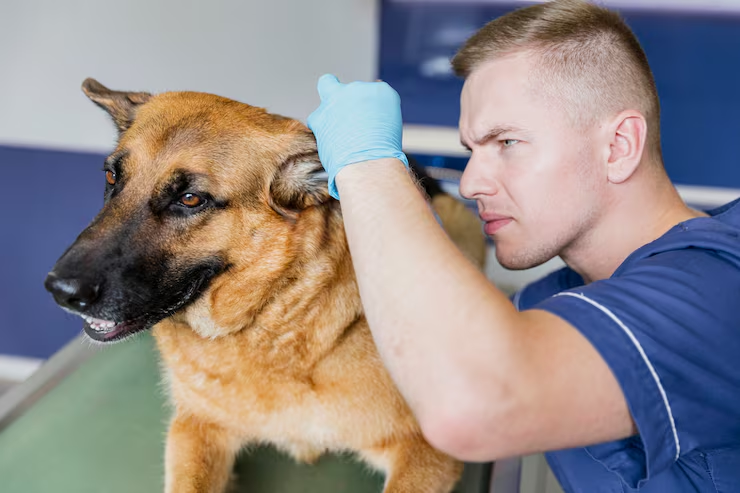
In case you noticed the discharge, the odor, or your pet reacts to the contact with ears, then it means that it needs help from professionals. If an infection is left untreated, then it can spread and reach the middle or inner ear, and become more complicated and costly for the owner to be treated. Usually, the visit to the vet includes the ear swab test and 1-2 weeks of ear drops.
Final words
This condition is rather unpleasant for a dog but it is rarely a reason to be worried. With regular care of ears and timely treatment, dogs get well within several days to weeks. The main thing that you should do is to pay attention – your dog cannot say that it has ear problems but you can see this from its behavior.