Has your dog had any problem with excessive itching, biting, and scratching of the skin? If yes, then your fears are well-grounded since skin allergies in dogs are among the most prevalent diseases. And flea allergy dermatitis (FAD) is among the most popular types of such diseases.
Here is the clear description of the issue and the advice on its solution.
What Is Flea Allergy Dermatitis?
First, you will be amazed to find out that it is an allergy of your pet’s body to the saliva of fleas. It can cause a lot of problems even with just one bite, which results in irritated and inflamed skin.
Symptoms That You Should Be Aware of
- Itching, usually affecting the region close to the tail, the abdomen, or back legs
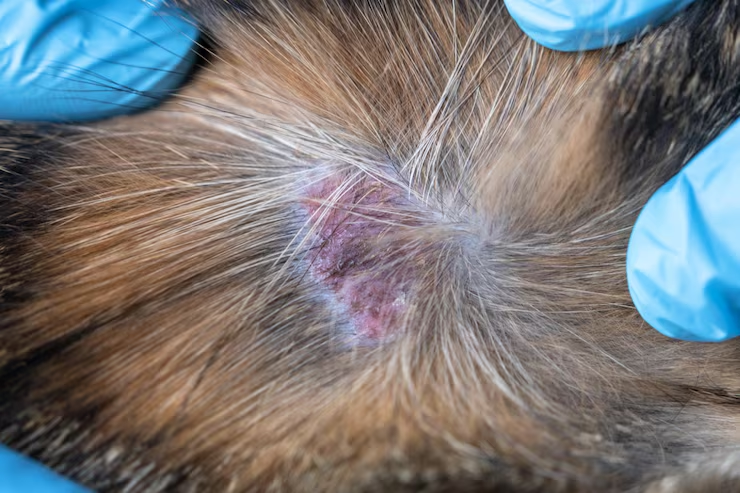
- Inflamed skin, scabby areas, and red spots
- Hair loss in patches
- Tiny lumps or scabs on the skin (called “hot spots”)
- Unusual behavior caused by the itching
- Darkening of the skin
Other Popular Causes of Skin Allergies in Dogs
In addition to FAD, the reasons for the development of your pet’s skin problems can include the following diseases:
- Environmental allergies, such as pollens, dust mites, or fungus
- Food allergies, which usually relate to foods containing chicken, beef, or protein
- Skin contact allergies, resulting from the use of particular shampoos, fabrics, or detergents
- Seasonal allergies with particular seasons
How to Help Your Dog Ease the Problem?
Provide regular flea protection to your dog, all-year-round and regardless of the place where your pet lives — this is crucial when it comes to FAD.
Use soothing shampoos recommended by your vet to reduce irritation.
Prevent any possible triggers as soon as you find out about them — it can be a certain type of food, material, or other irritants.
Maintain regular grooming routine in order to detect any symptoms early on and remove allergens trapped in the coat.
Consult your vet regarding the testing to find the actual cause of allergies.
When to Go to the Vet?
In some cases, mild symptoms caused by allergic reactions may resolve themselves without treatment; however, you need to go to the vet if you notice the following signs:
- Open sores or infections of the skin.
- Expanding hair loss.
- Behavior changes of your pet and their inability to feel comfortable.
- Recurrent symptoms despite the efforts you made at home.
Professional help can include the use of medicated shampoos, anti-itch medications, as well as special flea control products.
Conclusion
Allergic reactions in dogs are hard to treat because of the itch-scratch cycle. However, there is good news for pet owners because FAD is easy to treat if you provide proper protection from fleas and follow the advice of your vet.
This content is for educational purposes only. Please consult your veterinarian for diagnosis and treatment plans.