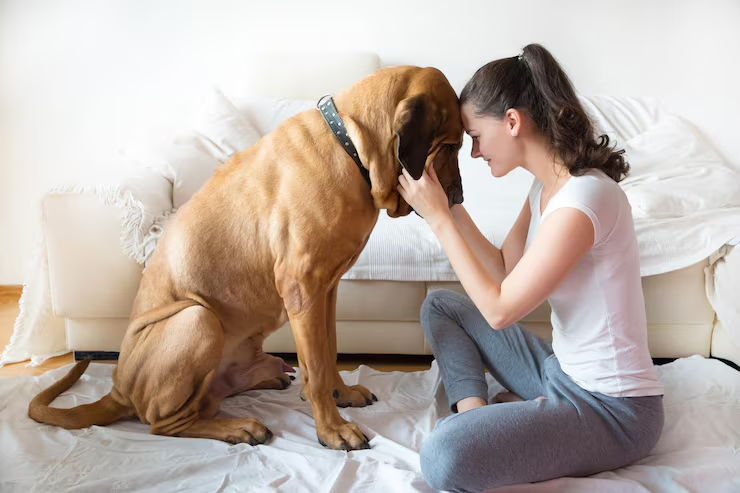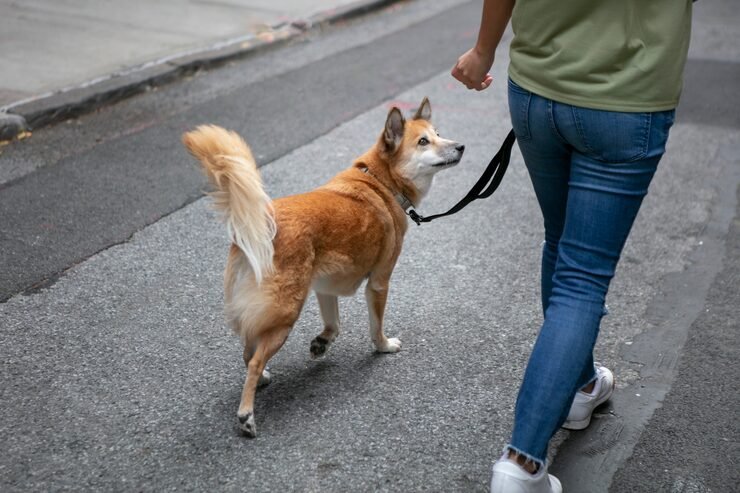
Whether you are in the kitchen or the bedroom, the bathroom or the garage, the dog will be right behind you. Owners of Velcro dogs may wonder whether it is because of love or if there is any possibility that it may actually be a little bit more. Well, it all depends.
The Everyday Reasons Dogs Follow Their Owners
1. It’s rooted in their pack instincts. Dogs descended from social, group-living ancestors, and that wiring didn’t disappear with domestication. In a household, you become the “pack,” and staying close to you is a normal way of maintaining that social bond.
2. You’re their source of safety and resources. Food, walks, attention, and comfort all come from you, so it makes sense that your dog wants to keep tabs on where you are. According to the American Kennel Club, this attachment can also form early — puppies under six months sometimes imprint on their primary caregiver much like they would a parent.
3. They’re bored, and you’re the most interesting thing around. Dogs left without enough physical or mental stimulation often turn to shadowing their owner as a substitute for entertainment. If this sounds familiar, more structured play and training sessions can help — our guide to positive reinforcement training is a good place to add variety to your dog’s day.
4. It’s a learned, rewarded habit. If following you has ever led to a treat, a walk, or affection, your dog has likely connected the dots. Dogs are efficient learners, and “stick close to my person” is a strategy that tends to pay off.
5. Sometimes, it’s anxiety rather than affection. This is the distinction worth paying attention to. A dog who prefers to be near you is different from a dog who can’t tolerate being away from you. If your dog panics, paces, or becomes destructive the moment you’re out of sight — even in another room — it may point toward separation anxiety rather than simple attachment.
When Following Behavior Signals Something Else
A dog that suddenly becomes far more clingy than usual, especially later in life, is sometimes communicating discomfort rather than affection. Aging dogs dealing with joint pain or arthritis may stay closer to their owner for reassurance as mobility and confidence decline. A sudden change in a younger dog’s following behavior is also worth mentioning at their next vet visit, since it can occasionally be an early sign of discomfort that hasn’t shown up as a limp or other obvious symptom yet — our list of signs your dog might be in pain is a useful cross-check.
Should You Try to Change It?
While it is improbable that there will be any negative consequences of the dog following you throughout the house, it might be wise to train your dog to become more independent because that will make it much easier for him to deal with the situation when you leave. How to start the training process:
- Perform separations in short periods of time, for example, closing the door for a few minutes even if you are at home
- Reward your dog not only when he follows you but also when he sits calmly without following you, lying down on a bed at the opposite side of the room
- Establish some routine so that your dog would be less motivated to follow
If you’re working through this with a new puppy, our complete puppy training guide covers building independence alongside basic obedience from day one.
The Bottom Line
However, in almost all cases, this type of around-the-behavior of the dog is simply a reflection of the relationship that you have with one another. However, it would need to be further investigated if it is an occurrence that was sudden, and there are any signs of anxiety in your absence. For more on everyday dog behavior, explore our full behavior and body language section.
This article is for general information only and isn’t a substitute for advice from your veterinarian or a certified dog behaviorist, especially if your dog shows signs of severe anxiety.