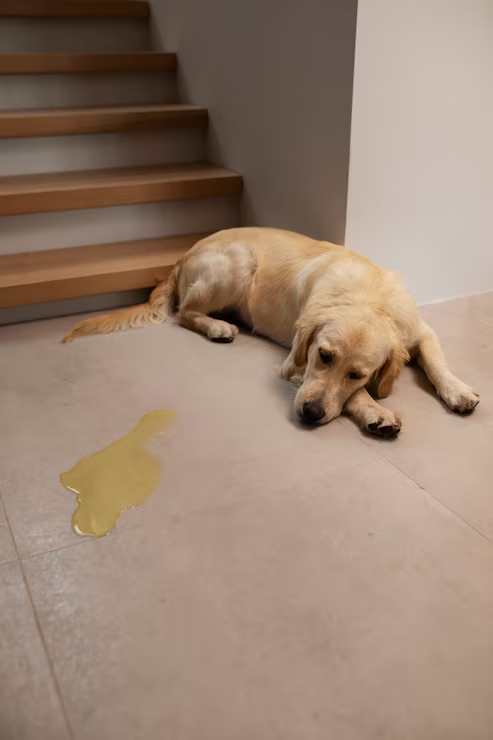
It is tough enough to discover a mess on the floor when you enter your backyard or living room but a dog who is having trouble with its stomach is even worse. Diarrhea is the condition that is commonly searched by pet owners because it may be very uncomfortable for pets. It is also quite challenging to handle. Here is everything that you should know.
What are the causes of diarrhea in dogs?
In comparison with humans, our best friends tend to explore the world mostly with their mouths. That is why their digestive system has to process a lot of different types of food and other things. It may be triggered by any factor including the food changes or even some illness. Some of the most common reasons of diarrhea are as follows:
– Sudden diet changes;
– Food that wasn’t supposed to be eaten (food leftovers, garbage or plants);
– Intolerances or allergic reactions to food;
– Parasites like worms or giardia;
– Bacterial or viral infection;
– Stress or anxiety in case your dog traveled or had to stay somewhere else for a while;
– Pancreatitis, inflammatory bowel disease, or kidneys’ problems in case of serious diarrhea.
When it is “just a tummy upset” and when it is serious?
In general, diarrhea that is gone within a couple of days without any side effects is not an emergency situation. However, there are a couple of symptoms that show your dog needs veterinary help now.
- Diarrhea that lasts for 2 days or more;
- Blood in the stool;
- Vomiting along with diarrhea;
- Lethargy or weakness;
- Some signs of dehydration (dry mucous membranes or sunken eyes);
- Known ingestion of toxins.
Please, do not try home remedies if any of these signs occur – take your pet to the vet immediately.
At home treatment
If your dog looks and acts normally and is active, it is the following steps that are usually recommended:
- Stop feeding your dog for 12-24 hours (water is obligatory);
- Introduce special diet consisting of boiled chicken and rice once the stomach will start feeling better;
- Keep hydrated (dehydration is much more dangerous than diarrhea itself);
- Do not give your dog any dairy products, fat, or table scraps;
- Introduce regular food gradually in 2-3 days.
Prevention
In order to avoid future problems with your dog’s digestion, please follow this recommendations:
- Always feed with one type of high-quality food;
- Introduce new foods gradually within 5-7 days;
- Avoid leaving garbage, plants, and food leftovers in places where your dog can get access;
- Do not forget about deworming and parasitic prophylaxis;
- Handle stressful situations gently and gradually.
Conclusion
The vast majority of dogs have faced with the problem of diarrhea at least once in life. Most of the time, it passes by itself after some time. The main thing is to understand when you may ignore and when it is better to visit your vet. Just use your intuition – if you think that something is wrong with your pet, please do not ignore it.
Disclaimer: This is just general information about dogs’ diarrhea. If you have any questions concerning the problem, you should ask your veterinarian for professional advice.