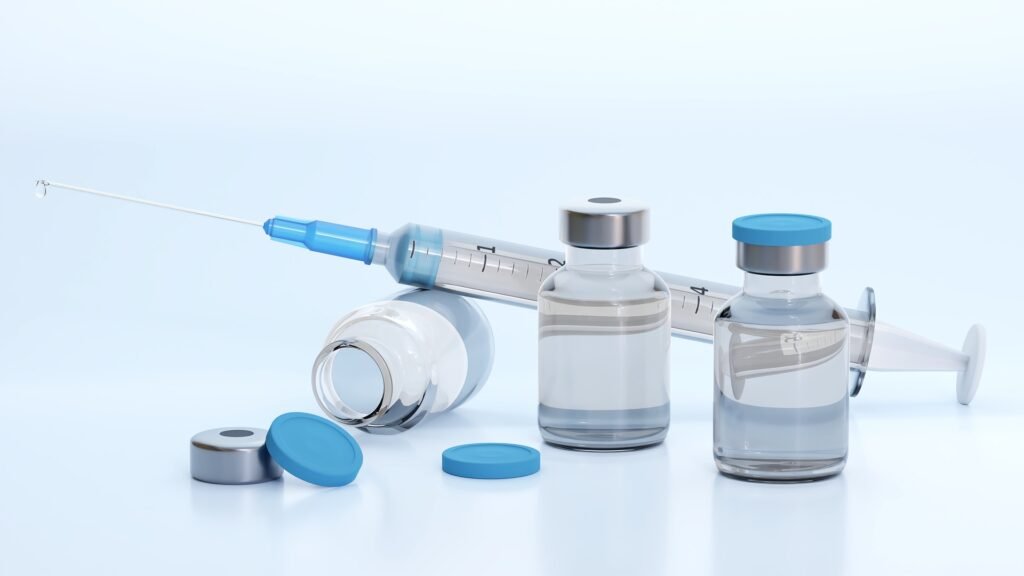
Yes, domestic cats in India, pedigree cats, rescue cats, as well as indoor cats need prophylactic care. The adequate cat vaccine schedule in India protects cats from serious viral diseases and minimizes health hazards in a family.
Why Are Vaccines Important for Indian Cats
The cats may get infected with various viruses through new pets, visitors to the house, shoes, carriers, boarding facilities, grooming centers, and even accidental outdoors. Kittens are more likely to get the virus since their immunity is still developing.
Core Cat Vaccines
Core vaccines usually include protection against feline panleukopenia, feline herpesvirus, and feline calicivirus. The viruses are highly contagious and may be life-threatening to young or non-vaccinated cats.
Rabies Vaccine for Cats
It is crucial for cats to have rabies vaccine in India since rabies is a problem there. Your veterinarian will help you determine the appropriate schedule for administering vaccines and boosters according to local requirements.
Standard Cat Vaccination Schedule for a Kitten
Usually, the first core vaccination is given when the kitten is around six to eight weeks old, and then booster vaccinations are administered every three to four weeks up to 16 weeks of age. The rabies vaccination is done following the recommendation of the veterinarian.
The Schedule May Vary
Apart from vaccines, you need to take care of the flea and parasite prevention and deworm your cats regularly. You should keep your cat safe from fleas since they lead to such symptoms as itching, anemia, tapeworm infections, and skin problems.
Do Indoor Cats Need Vaccines?
Yes. Indoor cats have reduced risks of getting the disease, but they are not fully protected. Cats can escape from their homes, meet new animals, go to the vet office, or contact something that is contaminated.
Annual Vet Visits
Schedule annual vet checkups for the adult cats and more frequent ones for senior cats. The regular examination will help detect dental disease, weight problems, kidney diseases, skin disorders, and other conditions.
To make sure you have the most suitable plan, contact a licensed veterinarian who will create a vaccination and parasite prevention schedule for your pet depending on its age, health condition, and city.