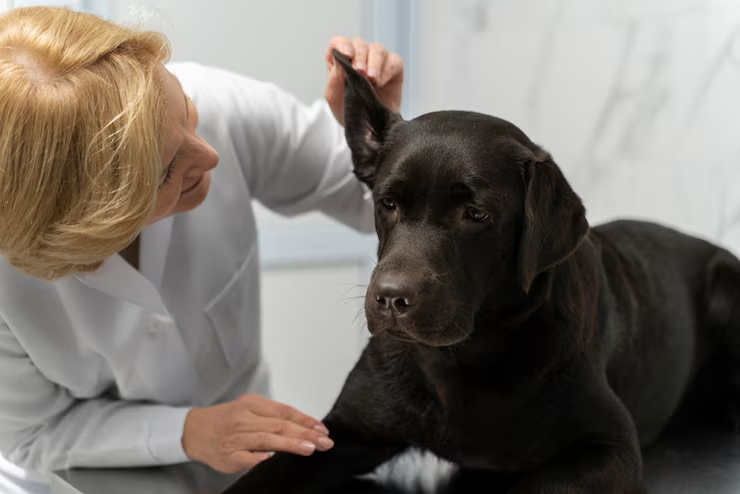
Among the many ailments that are prevalent among dogs, ear infections are one of the most frequent reasons why dogs visit the veterinary clinic. It is one of the ailments that causes the most discomfort in a dog. Since a dog cannot tell you its ear hurts, it is your responsibility to detect it early on.
The Early Warning Signs
Head shaking and ear scratching. A dog can sometimes shake his head; however, too much or frequent shaking of the head, or a dog scratching his ear is definitely one of the most distinctive signs of problems with ears.
Change in odor. Dog ears should not have any odor at all. In case you can sense some kind of smell like yeast-like, musty or unpleasant – this is surely one of the first sings of infection that appear before any visual sign.
Redness and swelling. Take a close look at the dog’s ear flap – if it is unusually red, swollen or inflamed – it is a signal for concern.
Unusual discharge. According to VCA Animal Hospitals, a black or yellowish discharge is common with ear infections, and in chronic cases the ear canal can become crusty or thickened over time.
Sensitivity to touch. Should your dog show signs of being startled, backing away or acting distressed from ear contact during your regular patting of them, it would be wise not to dismiss it as nothing serious.
More Advanced Signs to Watch For
When an infection affecting the outer ear isn’t addressed properly, it can spread to the ear canal. Be on the lookout for:
- Head tilting not observed before
- Balance problems or difficulty walking
- Being reluctant to open their mouth completely or discomfort when eating
- Hearing problems, such as not turning to their name as fast
This indicates the infection has gone past the point of the outer ear, and a visit to the vet within the week is needed instead of waiting.
What Usually Causes Ear Infections in Dogs
Ear infections don’t appear out of nowhere — they’re almost always triggered by an underlying factor:
- Moisture. Dogs that swim often, or have long, floppy ears like Cocker Spaniels, tend to trap water in the ear canal, creating ideal conditions for yeast and bacteria to grow.
- Allergies. Food or environmental allergies frequently show up as ear inflammation before they show up anywhere else on the body. Our guide to dog skin allergies and flea allergy dermatitis covers the connection between allergies and skin or ear flare-ups in more depth.
- Ear mites and parasites, particularly in puppies.
- Excess hair or wax buildup, which is more common in certain breeds and coat types.
Prevention Habits That Actually Help
- Dry ears thoroughly after baths or swims. Trapped moisture is one of the single biggest risk factors, so a quick towel-dry or ear-safe drying routine after water time matters. Our guide on how often to bathe a dog also covers how bathing habits tie into overall ear health.
- Check ears regularly as part of grooming, not just when something looks wrong. Our at-home dog grooming routine guide includes a simple ear-check step worth building into your weekly routine.
- Trim or manage ear hair for breeds prone to buildup, after checking with a groomer or vet on the right approach for your dog’s coat.
- Don’t over-clean. Ironically, cleaning ears too often or too aggressively can irritate the canal and make infections more likely, not less.
What to Do If You Suspect an Infection
Don’t reach for home remedies or over-the-counter ear drops without a vet’s input — different types of ear infections (bacterial, yeast, or mixed) need different treatments, and using the wrong one can make things worse or mask the real problem. If you’re seeing any of the early warning signs above, our full dog ear infection treatment guide walks through what to expect at the vet and how at-home care fits in alongside prescribed treatment.
The Bottom Line
Head shaking, odor, redness, and discharge are the earliest signs of an ear infection — and catching them early usually means a faster, simpler recovery. For more on recognizing when something’s wrong with your dog before it becomes serious, check out our signs your dog might be in pain and our broader vet-reviewed dog health section.
This article is for general information only and isn’t a substitute for advice from your veterinarian, especially if you suspect an active infection.