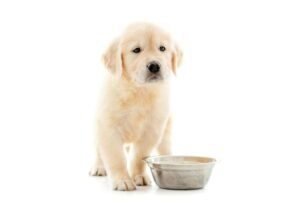
Sharing a bite off your plate with those pleading puppy eyes staring up at you is one of the hardest things to resist as a new dog parent. But puppies are far more sensitive than adult dogs — their digestive systems, kidneys, and immune systems are still developing, which means a food that’s perfectly fine for a grown Labrador could upset a 12-week-old pup’s stomach or cause long-term harm. If you’re wondering which everyday kitchen foods are safe to share and which ones belong strictly on your own plate, here’s a clear, India-friendly breakdown.
Why Puppies Need Extra Caution With Human Food
Before you reach for a treat, it helps to understand why puppies react differently to people food than adult dogs do. Their gut flora is still developing during the first few months, which is also why so many new owners deal with puppies refusing to eat their regular food after being given rich table scraps. A puppy’s main diet should always be a nutritionally balanced puppy food — check out our dog feeding chart by age if you’re unsure how much your pup should be eating at each stage. Human food, when given at all, should stay under 10% of daily calories and never replace a proper puppy nutrition plan.
Human Foods That Are Generally Safe for Puppies
In small, plain, cooked portions, these foods are usually fine for healthy puppies over 8 weeks old:
- Plain cooked chicken or turkey (no skin, bones, salt, or masala) — a good occasional protein topper
- Cooked eggs — a solid source of protein and biotin for a shiny coat
- Plain cooked rice — gentle on an upset tummy
- Steamed carrots, green beans, and pumpkin — low-calorie, high-fibre snacks
- Small pieces of apple or banana (no seeds, pits, or peels in large amounts)
- Plain curd/yoghurt in tiny amounts — some pups tolerate it well, others don’t, so introduce slowly
- Peanut butter — only unsweetened, xylitol-free varieties, and in very small amounts
If you want a full, vet-checked rundown, our detailed guide to human foods that are safe for dogs covers portion sizes and preparation tips for every life stage, not just puppies.
Foods You Should Never Give a Puppy
This is the list that matters most, because several everyday Indian kitchen staples are genuinely dangerous for dogs:
- Onion, garlic, and anything from the allium family — common in almost every Indian curry, and toxic to dogs even in cooked form
- Chocolate and cocoa — contains theobromine, which puppies process far more slowly than adults
- Grapes and raisins — linked to sudden kidney failure even in tiny amounts
- Xylitol (found in sugar-free gum, some peanut butters, and baked goods) — can cause a dangerous blood sugar crash
- Cooked bones — splinter easily and are a choking and intestinal injury risk
- Milk and heavy dairy — most puppies are lactose intolerant and will get diarrhoea
- Salty, spicy, or fried snacks — puppies can’t process the sodium and oils the way adults can
For the complete list with more detail on Indian kitchen ingredients specifically, read our guide to toxic foods for dogs in Indian homes. If your puppy accidentally eats something on this list, don’t wait — this is exactly the kind of situation covered under common dog health issues and dog diarrhoea causes and when to worry, both worth bookmarking for quick reference.
Signs Your Puppy Didn’t Tolerate a New Food
Even “safe” foods can cause a reaction the first time. Watch for:
- Loose stools or vomiting within a few hours
- Excessive gas or a bloated belly
- Lethargy or refusing meals afterward
- Scratching or skin irritation, which can sometimes point to a food-related flare-up similar to what’s described in our dog skin allergies and flea dermatitis guide
If any of these last more than a day, or your pup seems to be in discomfort, it’s worth reviewing the general signs your dog might be in pain and calling your vet. Puppies dehydrate much faster than adult dogs, so don’t wait it out.
Using Human Food the Right Way: As a Training Tool
The best use of people food for a puppy usually isn’t in the food bowl — it’s in your training pouch. Small, safe bites of chicken or cheese are far more motivating than kibble during early lessons. This pairs naturally with positive reinforcement training, and if you’re just getting started, our puppy training tips for first-time owners and complete puppy training guide walk through exactly how to use treats without overdoing the calories. Keep a stash of pea-sized rewards handy, especially during crate training or leash training sessions, and make sure the essentials in your puppy training toolkit include a treat pouch you can refill with vet-approved snacks.
Homemade Toppers vs. Full Homemade Diets
There’s a big difference between adding a spoon of pumpkin to your pup’s dinner and switching them to a fully homemade diet. The latter needs careful planning to avoid nutritional gaps — something we cover in depth in our guide to Indian homemade dog food. If you’re still deciding what commercial food to build meals around, start with our guide on choosing the right dog food, then treat human food strictly as an occasional topper rather than a meal replacement.
A Quick Rule of Thumb by Breed Size
Portion tolerance varies a lot by size. A Chihuahua puppy can be thrown off by a teaspoon too much of a new food, while a growing Labrador or Golden Retriever puppy has a bit more room, though still not much. If you’re still figuring out which breed matches your household, our guide on choosing a dog breed in India is a good place to start before you even get to feeding questions.
The Bottom Line
Human food isn’t off-limits for puppies — it just needs to be the right food, in the right amount, prepared the right way. Stick to plain, unseasoned, vet-approved options, keep the dangerous list memorised, and lean on your puppy’s regular food for actual nutrition. For everything else on raising a healthy pup — from bringing your new dog home to building daily habits that keep dogs calmer and healthier — explore our full feeding and nutrition section and vet-reviewed dog health hub for more India-specific guides.
This article is for general information only and isn’t a substitute for advice from your veterinarian, especially if your puppy has an existing health condition or has already eaten something on the “avoid” list.