Every year, towns across the world host “Dog Days of Summer” events — pool parties, ice-rink skating sessions, splash zones — all built around one simple idea: dogs struggle in the heat just as much as we do, and they need a little extra help to enjoy the season safely. India’s summers are a different beast altogether, with many cities crossing 40°C and humidity levels that make things worse, not better. You don’t need a fancy community event to keep your dog cool — you need the right daily habits. Here’s your complete guide.
Why Summer Hits Dogs Harder Than You’d Think
Dogs don’t sweat the way we do — they release heat mainly through panting and a little through their paw pads, which makes them far less efficient at cooling down. Add India’s humidity to the mix, and even a short afternoon walk can tip a dog into heat stress. This is one of the most overlooked entries in our list of common dog health issues, and it escalates fast — which is why knowing the early signs your dog might be in pain or distress matters just as much in June as it does any other month.
Which Dogs Are Most at Risk
Some breeds handle heat far worse than others:
- Flat-faced (brachycephalic) breeds like the Pug, French Bulldog, and Boxer already have narrower airways, so panting is less effective for them
- Heavy double-coated breeds like the Siberian Husky or Great Dane-sized giant breeds overheat faster than their coat suggests, even though the coat also insulates against direct sun
- Senior dogs, especially those already dealing with joint pain or arthritis, tire out and overheat quicker because they can’t regulate exertion as well
- Puppies, whose temperature-regulating systems are still developing
If you’re planning to bring home a new dog and haven’t picked a breed yet, factor climate tolerance into your decision — our guide on choosing a dog breed in India covers this in more depth.
Daily Habits That Actually Keep Dogs Cool
1. Shift walk timings. Early morning (before 7 AM) or after sunset are the only safe windows in peak summer. Skip the pavement test — press the back of your hand to the road for five seconds; if it’s too hot for you, it’s too hot for your dog’s paws.
2. Keep the coat summer-ready, not shaved off. A common myth is that shaving a double-coated dog helps in summer — it actually removes their natural insulation and increases sunburn risk. Instead, focus on regular deshedding. Our guides on how to brush a dog’s coat by type and building an at-home grooming routine will help you keep the undercoat thinned out without stripping protection.
3. Adjust bath frequency. Cool (not ice-cold) baths a couple of times a week can genuinely help regulate body temperature in summer. Check our guide on how often to bathe a dog for the right frequency by coat type, and if your dog’s been swimming or getting frequent baths, keep an eye on moisture buildup — it’s a leading cause of the issues we cover in our dog ear infection guide.
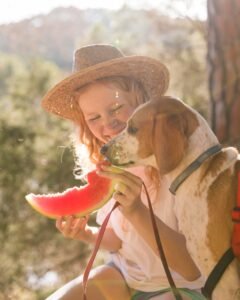
4. Rethink hydration and meals. Add an extra water bowl or two around the house, and consider adding water-rich foods. Frozen fruit treats (in dog-safe quantities) are a great way to combine cooling and nutrition — our human foods safe for dogs guide lists exactly which fruits work well frozen. Just be sure overall feeding still lines up with your dog feeding chart by age and general dog nutrition guidelines.
5. Never leave a dog in a parked car. Temperatures inside a closed car can climb 15-20°C above outside temperature within minutes, even in shade. This single rule prevents more heatstroke emergencies than almost anything else on this list.
6. Move training indoors during peak hours. Short, air-conditioned or shaded training sessions using positive reinforcement techniques keep your dog mentally active without the heat exposure of an outdoor session.
Recognising Heatstroke Early
Watch for heavy panting that doesn’t slow down, bright red gums, drooling, wobbliness, or vomiting. These symptoms overlap with several conditions in our broader vet-reviewed dog health section, so when in doubt, move your dog to shade, offer small sips of water, and get to a vet immediately rather than waiting it out — heatstroke can become fatal within the hour.
Skin and Coat Watch-Outs in Summer
Heat and humidity are prime conditions for flare-ups. If your dog is scratching more than usual or you notice redness between the paw pads or around the belly, it’s worth reviewing our guide to dog skin allergies and flea allergy dermatitis, since flea populations also spike in warmer months.
Building Your Dog’s “Cool Season” Routine
Think of summer care the same way you’d think about any other seasonal adjustment — it’s part of the bigger picture covered in our simple daily habits for a calmer, healthier, happier dog. If you’re travelling with your dog this season, our complete guide to summer travel with pets in India covers car safety, hydration on the road, and pet-friendly stops in far more detail.
The Bottom Line
You don’t need a community “Dog Days of Summer” event to give your dog a great summer — you need shaded walk timings, the right grooming routine, constant access to water, and a sharp eye for early heat-stress signs. For more seasonal and everyday care guidance, explore our full Dog Care in India hub, grooming section, and nutrition guides.
This article is for general information only and isn’t a substitute for advice from your veterinarian, especially if your dog shows any signs of heat distress.